Reimagining Tradition Through (ME)HEND(I)
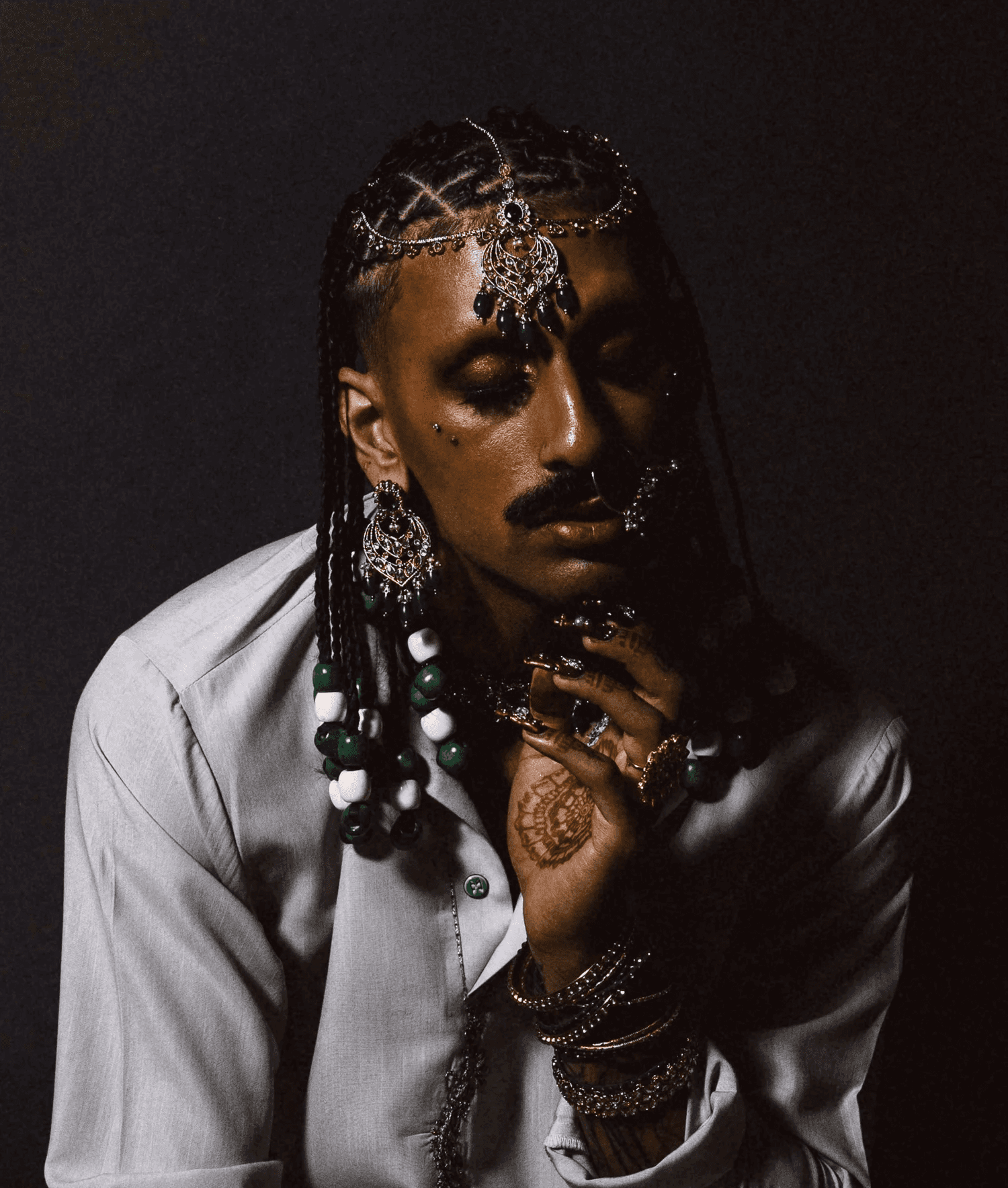
Humza Syed, known online as @humzadeys, is a creative director and stylist continuing to push the boundaries of South Asian visual storytelling. Based in New York, his work has evolved beyond personal style into large-scale creative direction—projects that merge culture, collaboration, and experimentation with a growing sense of clarity and control.
In recent months, Syed has shifted his focus inward, moving away from constant content output and toward more intentional, process-driven work. Alongside major features and editorial projects, he has begun opening up his creative process—sharing the behind-the-scenes realities that often go unseen.
This shift reflects a deeper transition: from creating for visibility to creating with purpose.
Reimagining Tradition Through (ME)HEND(I)
At the center of this new phase is (ME)HEND(I), Syed’s most ambitious shoot to date.
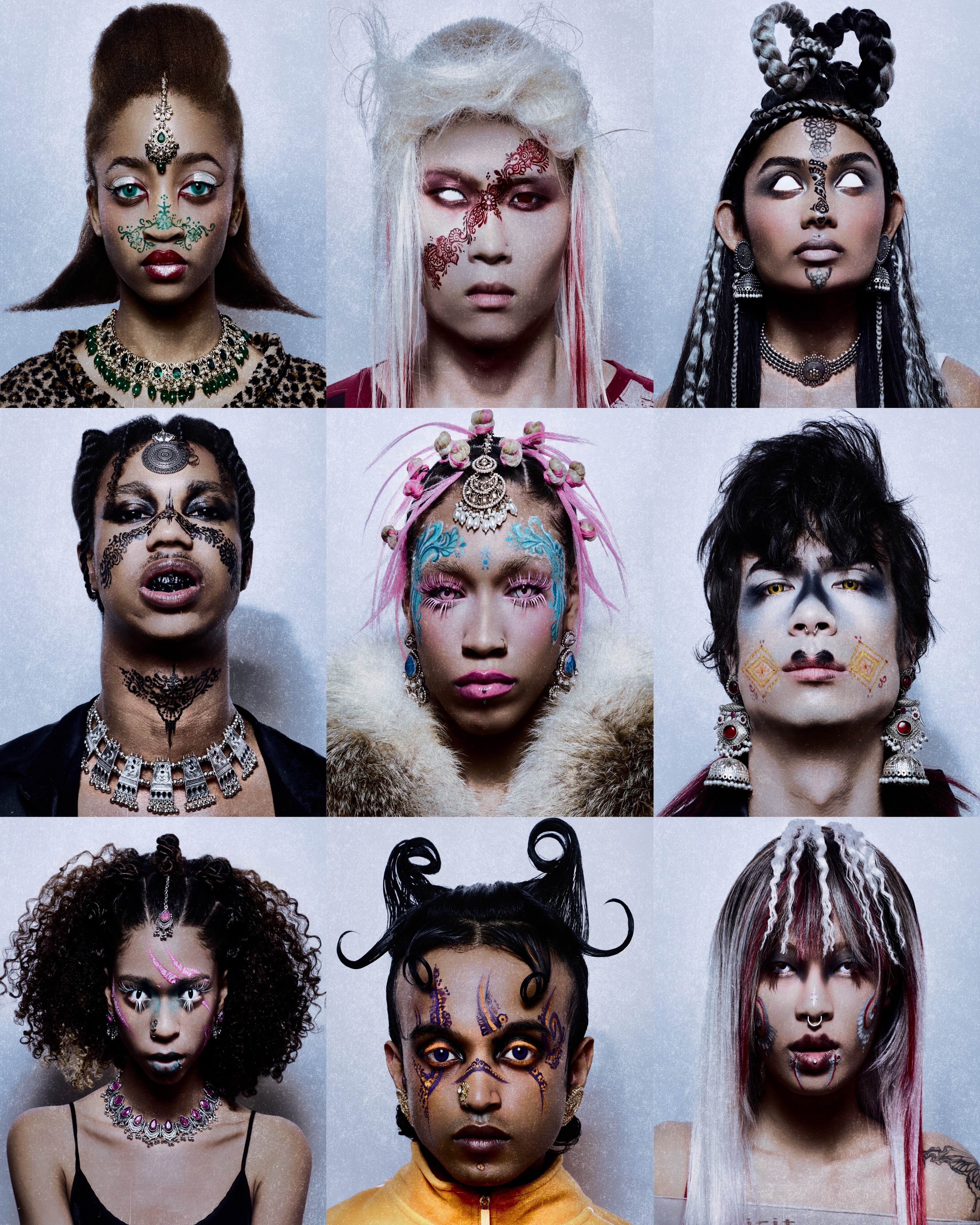
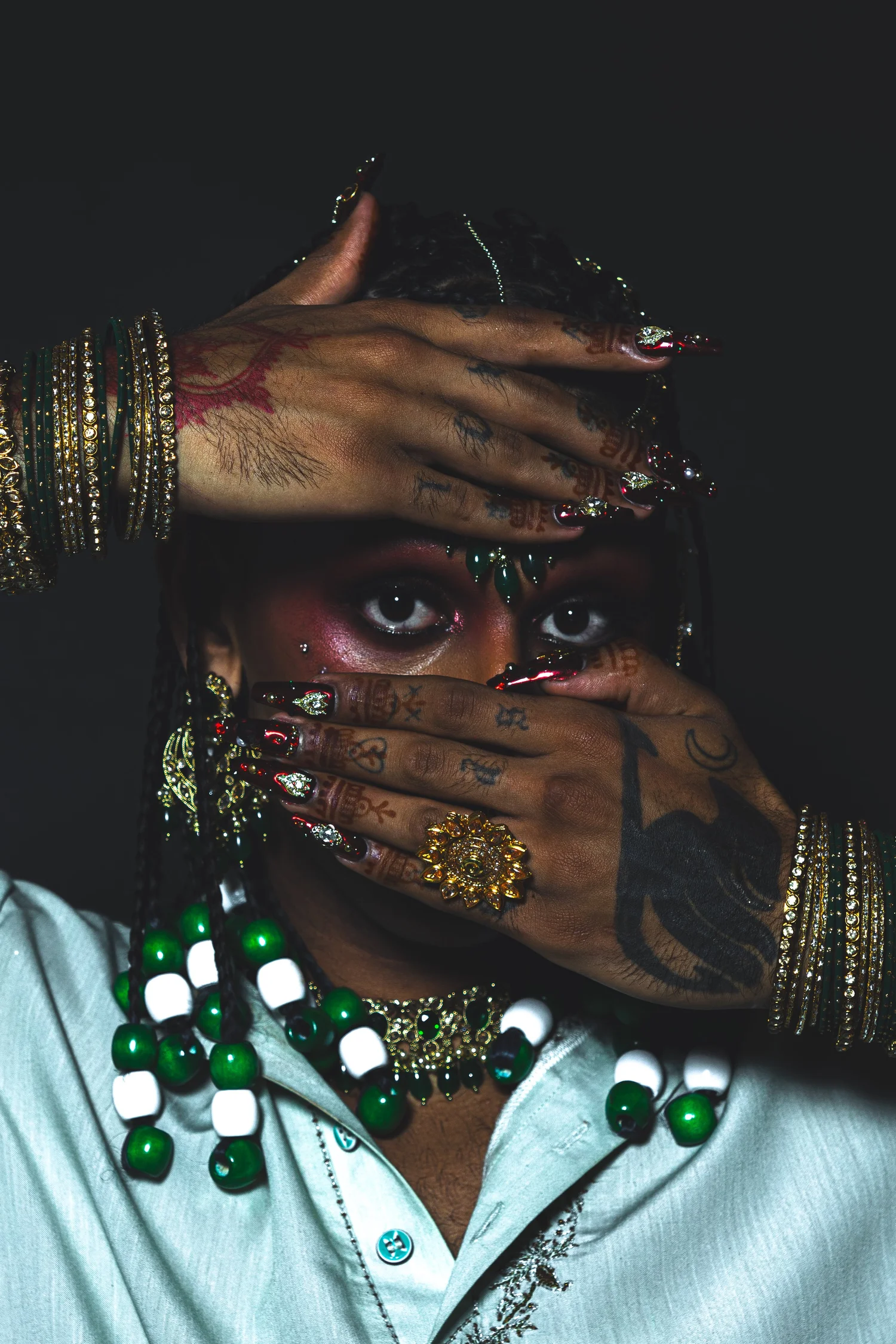
The concept began as a simple idea—one that lived in his notes for over a year. Initially centered around traditional henna placement, the project slowly evolved into something more experimental. Instead of hands and feet, Syed redirected the focus entirely to the face, transforming henna into a tool for visual storytelling.
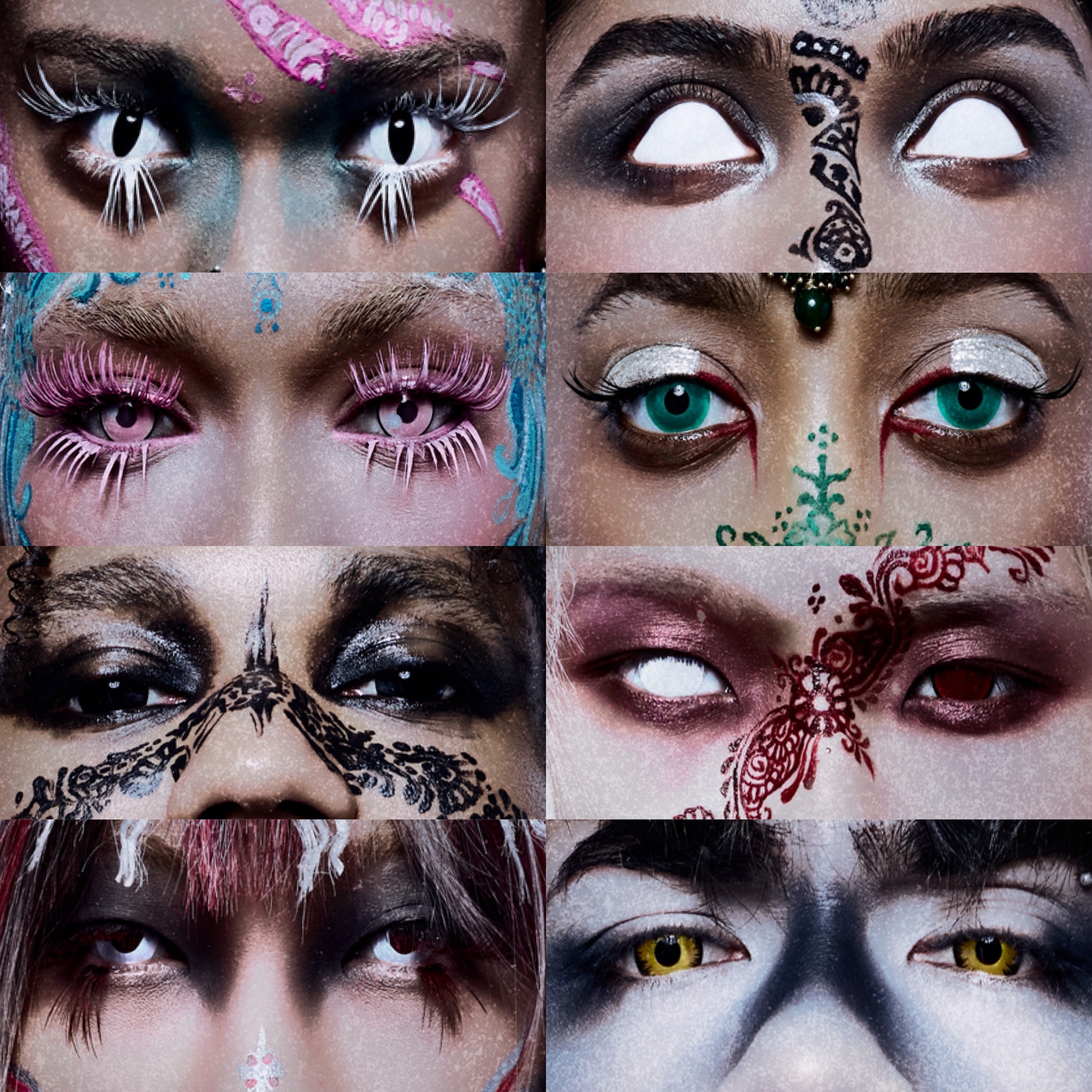
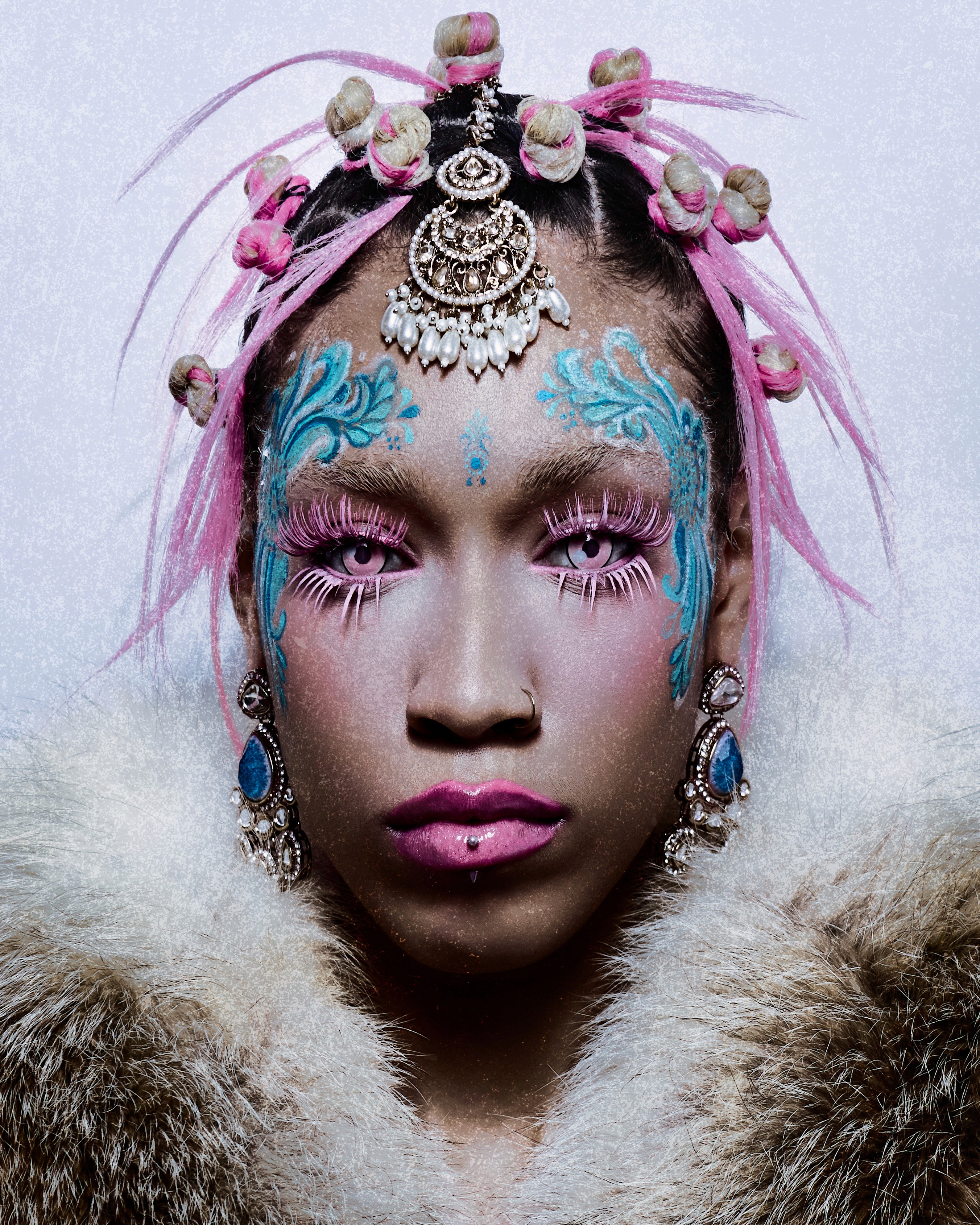
The result is a series of portrait-driven images that feel both intimate and confrontational—each subject meeting the viewer directly, their individuality amplified through hair, makeup, and intricate, nontraditional henna design.
Rather than preserving tradition as-is, (ME)HEND(I) reframes it.

Building at Scale
The shoot marked a significant step forward in Syed’s creative direction.
Spanning two days, the production brought together nine models and a 20-person team, making it his largest set to date. Acting as creative director, stylist, and producer, Syed oversaw every aspect of the project—from casting to final execution.
But scale introduced complexity.
The shoot unfolded in a constrained studio environment, with limited space and constant movement. Team members shifted in and out, last-minute replacements were necessary, and materials had to be improvised in real time. Traditional henna was replaced with makeup-based techniques to accommodate the models, requiring quick adaptation from the artists involved.
What could have disrupted the vision instead became part of the process.
A Collaborative Vision
Despite the challenges, (ME)HEND(I) was built on collaboration.
Syed structured the project through a shared planning system, allowing makeup artists, hairstylists, and henna artists to contribute ideas while working within a unified direction. Each creative played a role in shaping the final outcome, resulting in a series of looks that feel distinct yet cohesive.
The casting itself reflects this openness. By including both Desi and non-Desi models, Syed expands the conversation around cultural expression—positioning it as something that can be shared, reinterpreted, and experienced beyond rigid boundaries.
Each subject becomes a character. Each image, a statement.

Process, Transparency, and Control
Alongside the visuals, Syed has begun placing greater emphasis on transparency—sharing the reality behind his work rather than just the final result.
The long hours, the mental strain of directing, the unpredictability of managing a large team—these are now part of the narrative.
This openness marks a shift not just in content, but in perspective.
(ME)HEND(I) is rooted in a broader idea of control—over identity, over creative direction, and over the way culture is represented. It challenges the expectation that tradition must remain fixed, instead proposing that it can evolve through personal interpretation.
For Syed, that evolution is intentional.
Moving Forward
With (ME)HEND(I), Syed steps into a new stage of his practice—one defined by scale, collaboration, and self-directed creative control. It’s a move away from limitation and toward expansion. A refusal to wait for permission. A commitment to creating on his own terms.
For him, the process itself has become part of the message. As he notes, there is value in revealing what usually stays behind the final image:
“People should see the process. There’s so much that happens in the middle of it all that people don’t get to see.”
His work continues to exist between tradition and reinvention—but now with a clearer sense of authorship and intention. And in that space, he’s not just contributing to culture.
He’s actively reshaping it.
Explore more of Humza Syed’s creative direction and visual work at humzadeys.com
CREDITS:
CREATIVE DIRECTOR/STYLIST
Humza Syed @humzadeys
PHOTOGRAPHER
Oliver Barile @oliver.barile
MODELS
Mabel Maung @myanmartian
Jaseel Moreno @juixyjaseel
Dakota Davis @thedivinefeminine11
Manisha Rohoo @manisharho
Surayya Seydi @rayyaseydi
Tasun Champion @tas.unn
Ayden Pol @freewisdm
Zoheb Roshan @zohebibi
Stephen Kostewicz @papoysk
MUA
Andee Korpics @ANDEEEEEEEK
Sophia Cetta @sophiacetta
Kolten Yeck @ysthetics
HAIR
Kylie Lefkowitz @crownedbykylie
Tianna Michelle - Assistant @tspaintedtale
HENNA
Mayisha soho @abontii.henna
Alina Howlader @hennahighs
Rinom Chowdhury @rinominator